Real silk or not? Know what you're buying
Names like “art silk” and “silky satin” are pretty, but do they mean natural silk? (Probably not.) Here’s how to know what you’re buying.
Full articleProduct code 101-18-0011-R (1)
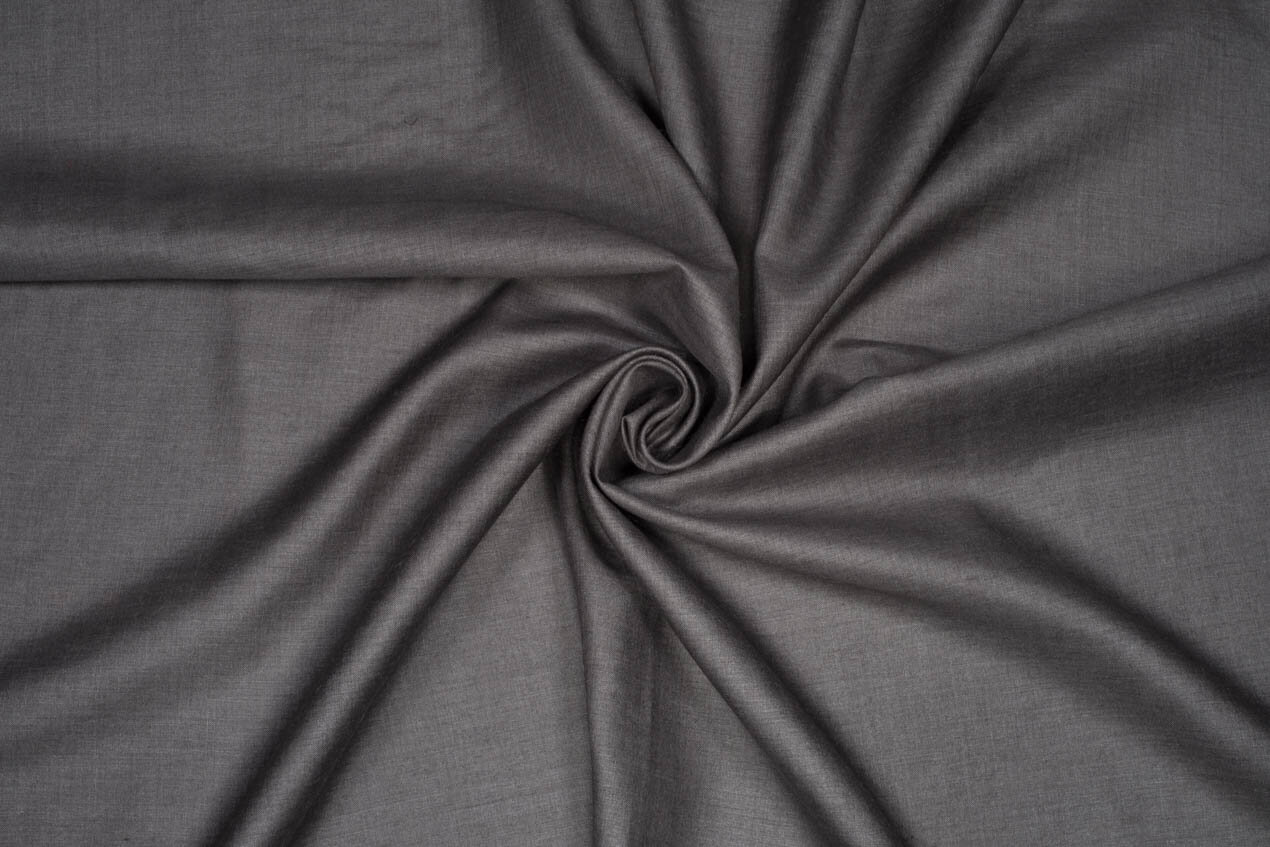
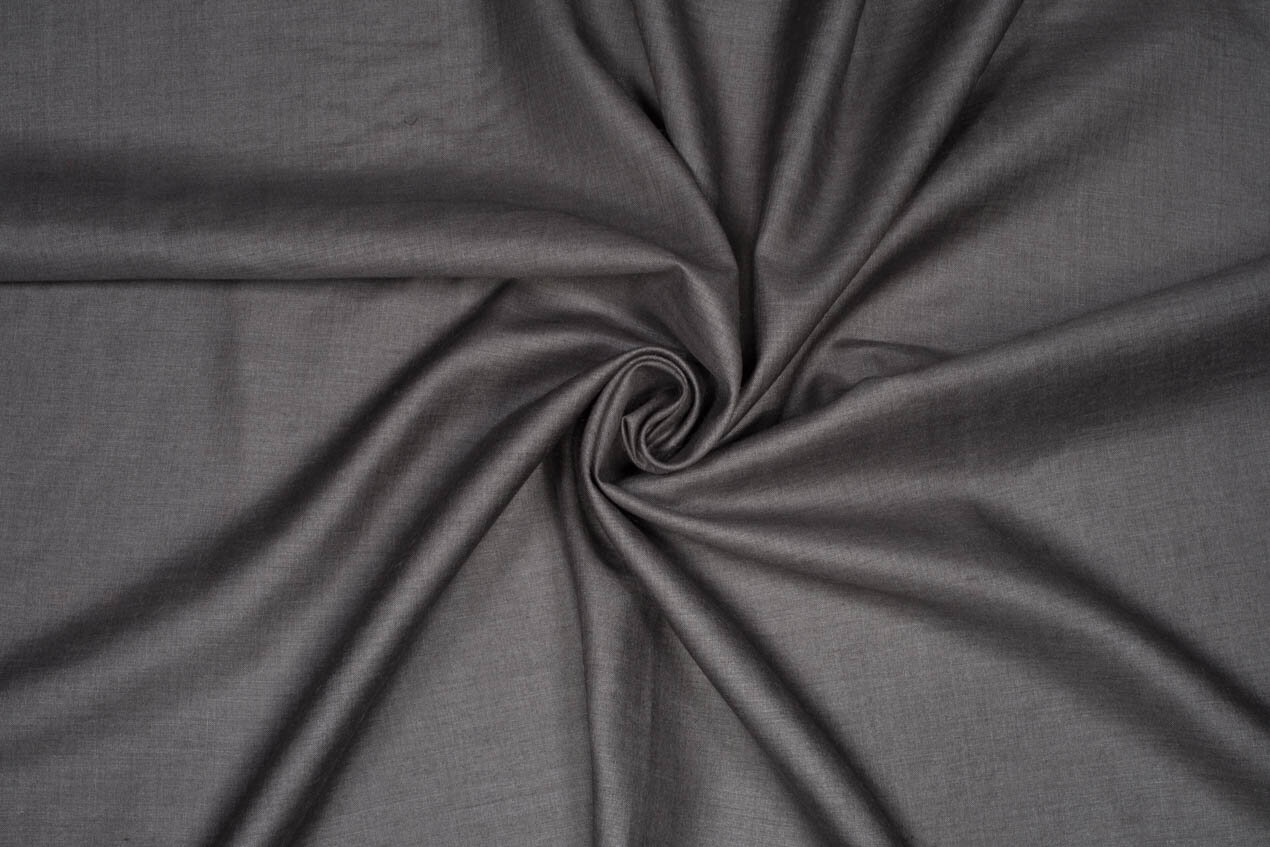
A soft, fine fabric made of exquisite, natural muga silk with just a hint of gold. A true original, woven exclusively in India and exported in limited quantities. A gem in any wardrobe!
Read more| Shade: | grey |
| Style: |
Victorian Baroque Rococo |
| Material: | 100% silk |
| Width (cm): |
112 cm
The useable width you can actually sew with, not including selvedge. |
| Width (inches): | 44 ″ |
| Weight (mm): | 14 mm |
| Weight (gsm): | 59 gsm |
| Weight (oz): | 1.7 oz |
| Care: | |
| Brand: | Sartor Bohemia |
| Availability: | while supplies last |
| Producer / Supplier |
Manufacturer SARTOR BOHEMIA s.r.o. Cukrovarnická 67, 16200 Prague, Czech republic info@sartorbohemia.com www.sartorbohemia.com Sartor |
in stock 1 pcs
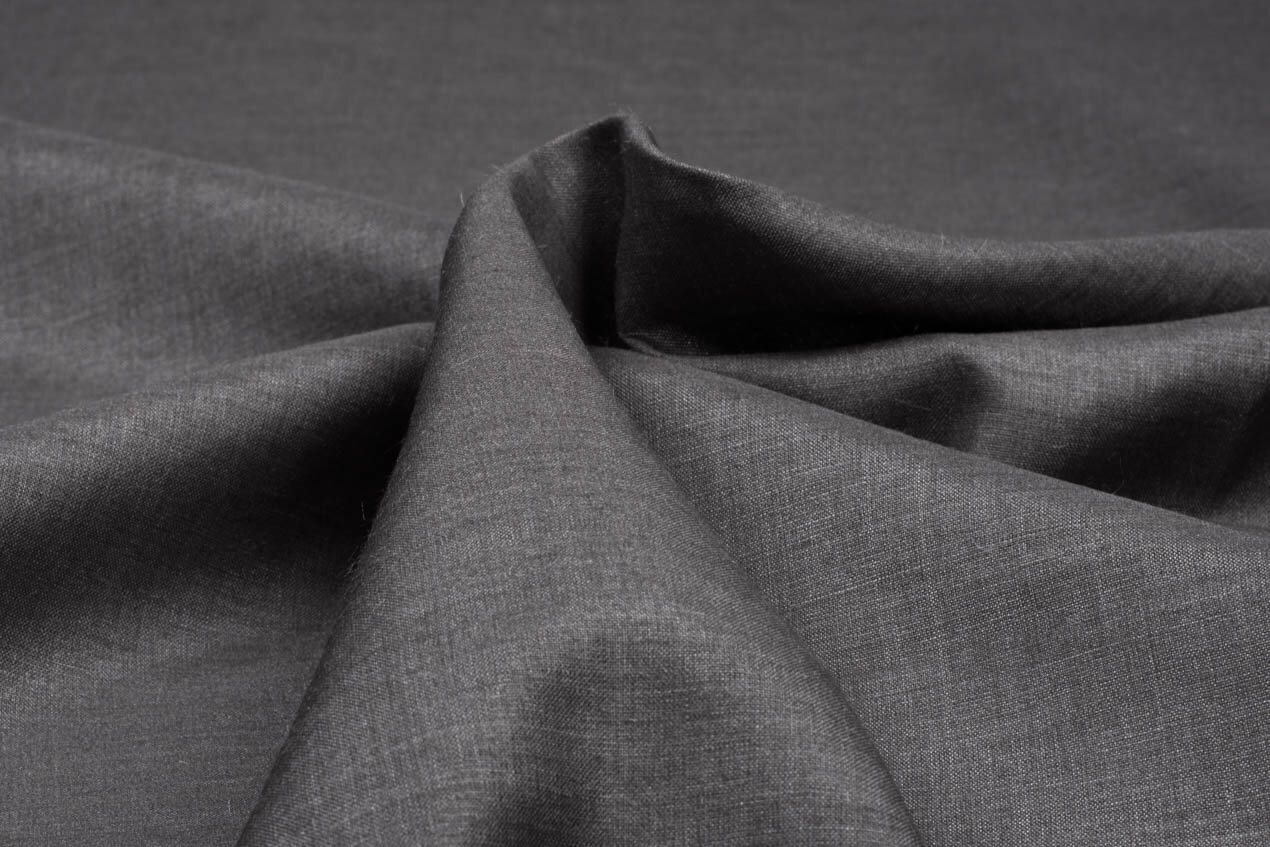
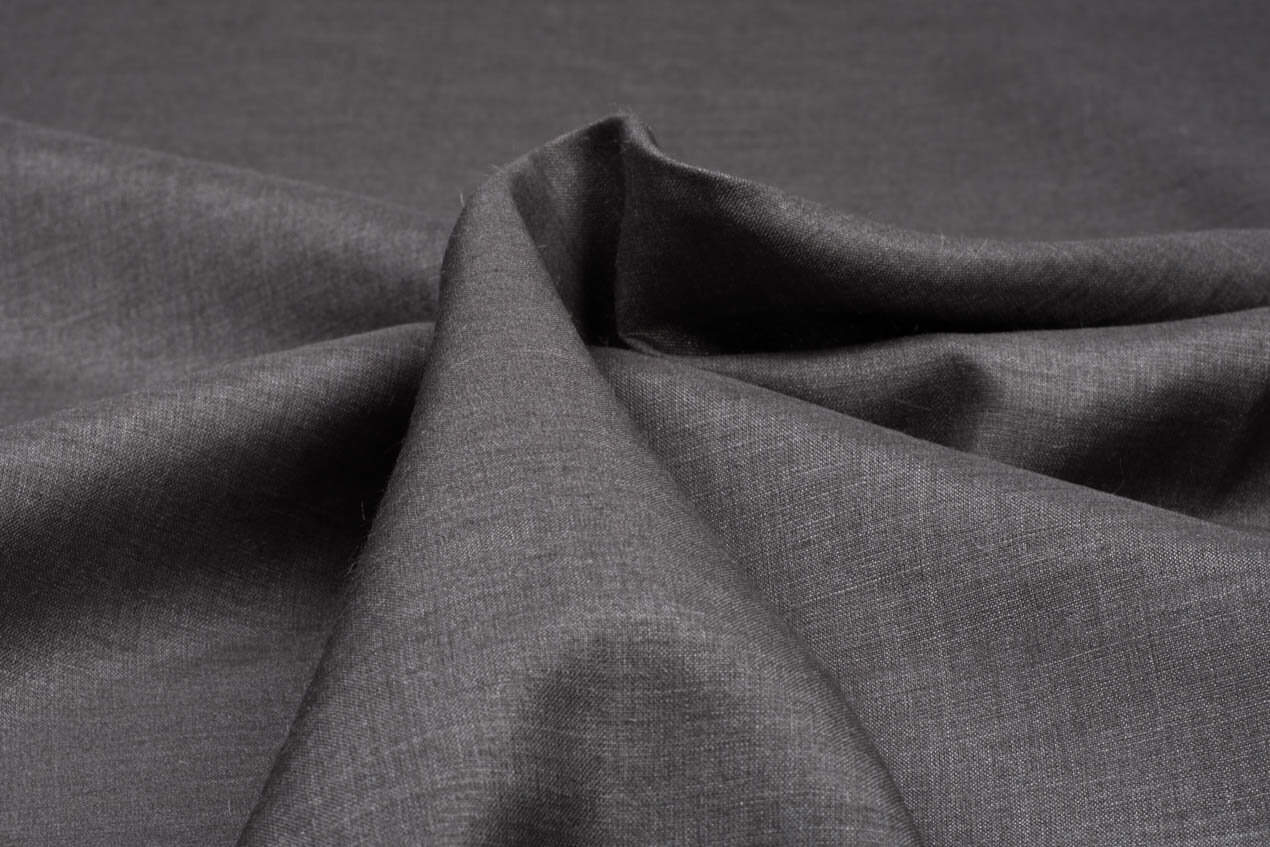
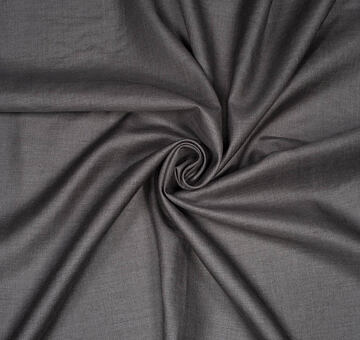
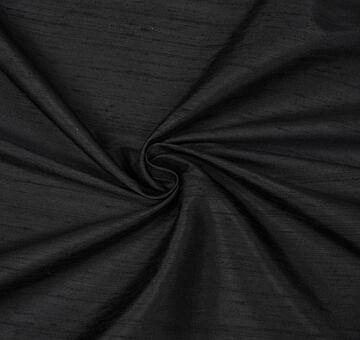
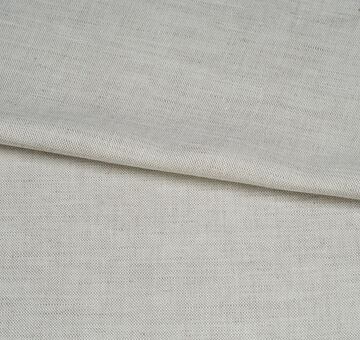
This fabric made of natural wild muga silk has a distinctive structure and hue. The fabric surface is smooth, but when examined up close there is a very fine, irregular stripe, the result of miniscule differences in the thickness and color of the thread. The shade of this muga silk resembles that of natural, undyed linen. Though it slightly resembles cotton to the touch, it is noticeably lighter and has the slight, matte sheen, typical of wild silk. In spite of its fineness, muga silk is strong and quite durable.
This muga silk will make a wonderful blouse, shirt, or tunic. Interesting in and of itself, it can make even the simplest piece look great. Choose it for a breezy dress, a throw, a kimono, anything you might otherwise make from a rayon or cotton batiste. Keep in mind that muga silk does not have the drape of some other silks; in fact, it’s more stiff than supple. It will keep its shape well and is easy to cut and sew. This is a good silk for beginning sewers who are just starting to get their feet wet with silk.
This fabric is not very dark and is quite fine, so it tends to be sheer. For garments where this is not desired, we recommend a thin lining in a neutral skin tone. However, if you want to highlight this fabric’s structure, consider a white lining.
Muga is a special type of wild natural silk produced exclusively in Assam, where silk production has a long and storied history. Muga silk is produced by the silk moth Antheraea assamensis, which is native to Assam. The natural color of the fiber ranges from golden beige to a golden yellow; the more saturated the color of this silk gold, the more valued the fabric. In times past, only the nobility could wear it and to this day, the finest, gold-hued muga fabrics number among the most expensive silks (a yard can go for at least a hundred dollars). This may also be because muga silk holds a spiritual value for some groups in India. We stock this gorgeous fabric for you in muted, more affordable shades.
Natural silk comes in a range of varieties that most people have never even heard of. You can find out more in our post on types of silk.
We recommend dry cleaning this fabric at a reliable dry cleaner. In our tests of how to wash silk this fabric stood up to gentle hand washing. If you risk hand washing, use lukewarm water and a delicate detergent for woolens; do not wring or squeeze dry; block dry on a flat surface. Dry iron on the lowest setting. Avoid water droplets.
Yes. Silk is our specialty. All fabrics marked as "silk" in our shop are always made of natural silk. You can rely on the fact that is always natural mulberry silk unless we say otherwise. If it is a different type of natural silk (e.g., wild silk), we will say so. We describe the many types of natural silk in full detail in our post on types of silk.
Washing is generally not recommended for silk – it belongs at the dry cleaners. However, as our big silk wash test has shown, some types of silk fabrics can stand up to a gentle wash program or hand washing without harm if you follow the procedure described. That said, wash silk at your own risk. We definitely recommend testing in advance on a small sample of the fabric – because silk is a natural material it's not 100% predictable. Never use an ordinary laundry detergent – use a special detergent for wool and silk or, if there's no other option, a gentle, silicone-free shampoo.
The fabrics in our core inventory, seasonal collections and limited editions are from repeated production cycles that we have quality-tested – given proper care their colors should not bleed. Fabrics that are on offer while supplies last are one-off products that have not been individually tested, so we recommend testing on a sample. Silk may lose some color when washed in water that's too hot or with unsuitable detergent. Always follow the recommended water temperature and use detergents designed for washing silk or wool. Washing silk, though it is often no problem, is always at your own risk. Read more in our post on How to wash silk.
If you are not going to dye the finished garment, we recommend a high-quality polyester thread for sewing silk. If you want to dye the finished garment, be sure to choose a silk thread (polyester does not take dye). The choice of sewing needle and thread depends on the type and weight of the fabric – for sewing particularly fine fabrics (chiffons, georgettees, light satins, light crepes) a thinner polyester or silk thread and a corresponding thin needle are suitable. Do not use cotton thread to sew silk.
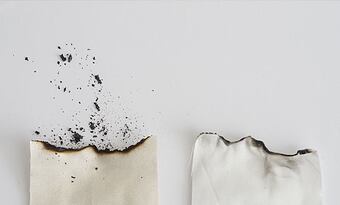
Probably the best way to tell is the burn test. Silk burns reluctantly, leaving a black crumb that you can easily crush between your fingers and smells like burnt hair. Be sure to test threads pulled from both the weft and the warp. In addition to the burn test, there are a plenty of other tricks – check out our post on how to tell real silk.
Most of our fabrics are one-time offers that last until they are sold out. However, some more popular items are always restocked or can be ordered on request. As a rule, this applies to notions, where the selection is pretty consistent, but may also include some types of fabric. Look at the product's availability value – it shows whether the goods are available while supplies last, in the core inventory or in a seasonal collection.
The goods in the seasonal collection come directly from our verified manufacturers. We change up the colors on offer from season to season but fabric quality is always constant. For large (wholesale) orders, colors that have been sold out can be reordered individually.
The minimum fabric order is a length of 20 cm.
No. We only accept retail orders through the e-shop. This eliminates situations where someone else orders the last of an item while your order is still sitting in our inbox or lies jotted on a bit of paper by the phone. By purchasing online, you are putting an immediate hold on the product. Of course, you can always call or write to us if you need help making your selection.
Yes. We ship worldwide. The price of shipping is automatically calculated at checkout before payment after you select the country of delivery and the preferred carrier. If you do not find your country in the dropdown list, please contact us. You will find a rough overview of shipping costs in our shipping and payment terms.
The estimated delivery date with your selected carrier can be seen before payment is made at checkout. It is calculated as the time for processing and packing your order plus the time it takes the selected carrier to deliver to a specific destination – this can be from 2 days for delivery within the Czech Republic to a week for delivery outside the EU. Expect longer delivery times during big sales and holidays.
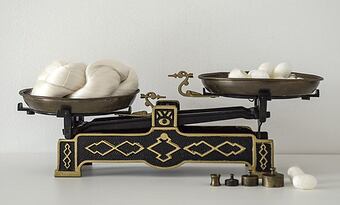
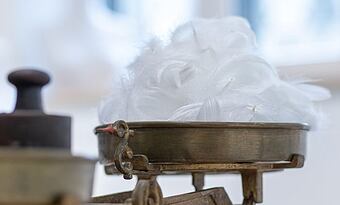
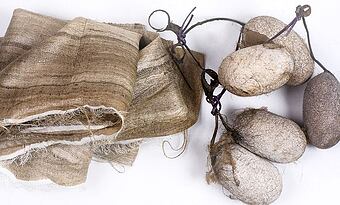
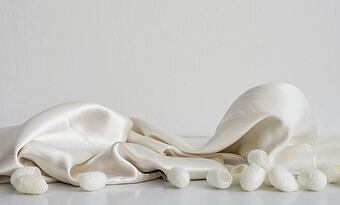
Names like “art silk” and “silky satin” are pretty, but do they mean natural silk? (Probably not.) Here’s how to know what you’re buying.
Full article
This pretty hairband is easy to sew. Make it from silk and it’s good for your locks too. All you need is a scrap of fabric and our tutorial.
Full article
Can you wash silk? And how? We decided to find out. See our great silk washing test.
Full article
Step into summer with a simple shift dress. This timeless classic is a perfect project for beginners and a great way to use silk.
Full article
Put your creativity on display! Make your own decorative pillows in the fabrics you love. It’s easy with our step-by-step guide.
Full article
As you browse our silk selection, you may be mystified by the abbreviation “mm” in our fabric weight column. Millimeters? No. The mm stands for momme (pronounced moe-mee), a traditional measure of silk weight that comes to us from Japan. What can it tell us? Read on for enlightenment.
Full article
Fabric weight is one of the key elements in any fabric description. It’s an indicator of what a cloth is actually made of and what it could be good for. In online fabric shops you’ll find it listed alongside textile content and width, in brick-and-mortar shops it’s on the sticker at the end of the bolt. So, what exactly does it tell you?
Full article
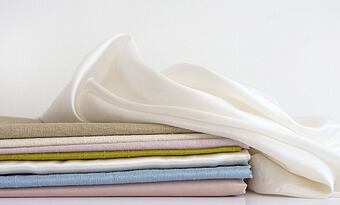
Silk pillowcases are having a moment, and it’s no wonder. Not only are they a dream to sleep on, they keep your skin hydrated and even prevent bedhead. We’ll look at what the fuss is all about and help you choose the right fabric to make your own. Find out what silk can do for your beauty sleep.
Full article
Did you know there’s more than one kind of natural silk? It’s true, and not only do different silk moths made different kinds of silk, there are also different types depending on the quality of the yarn itself and how it was made. Each kind of silk has its own characteristics that you should know if you plan to wear it. To make an educated choice it’s good to know the basics. So, here we go!
Full article
You don’t need an advanced degree in textiles or years of expertise working with fabrics in order to recognize whether what you’re buying is natural silk. All you need is a little knowledge and a dose of caution.
Full article
Silk is an absolute classic, sought after for its beauty and exquisite softness, shunned for its price tag and supposed frailty. But is natural silk really so expensive or so impractical? How many kinds of silk are out there? And what makes silk so utterly irresistible? Let us clear up some questions (and bust some myths) for one of nature’s most intriguing materials.
Full article
Silk bedding is a luxury you can treat yourself to every night. Make your own duvet cover and tuck yourself in without spending a king’s ransom. This guide will help you navigate our silk selection to choose just the right fabric for dreamy results.
Full article
How well do you know your silk fabrics? Dupioni, serge, habotai… don’t be dismayed if it sounds like the roster of some pirate ship to you. We’ll help clear away some of the mystery and explain the types of silk fabric and what sets them apart. We’ll cover terminology, characteristics, tricks and tips for sewing, and which projects call for which fabrics. No two silks are the same.
Full article
Ever wonder what those funny symbols on care labels mean? The washtub, the triangle, that little box with a circle inside? Get your decoder rings ready! This overview gives you the key to decipher what the manufacturer is trying to say. Now you’ll always know just how to wash, dry, and press your clothes. Never be vexed by the hieroglyphs on a care tag again!
Full article
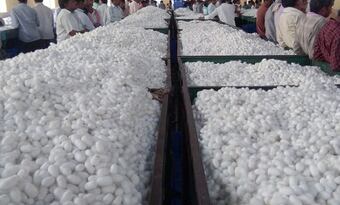
The hall explodes in frenzied activity as brokers rush to buy and sell. Deals are struck. Fortunes are made. But we’re not on Wall Street. And it’s not stocks and bonds trading hands… It’s silkworm cocoons. Welcome to the great cocoon market in Karnataka, where our Indian silks begin their journey to you.
Full articleCopyright © 2011 - 2025 Sartor Bohemia - All rights reserved
In business since wpj
How to put an item on hold for in-store pickup:
How to order sample swatches of fabric
or